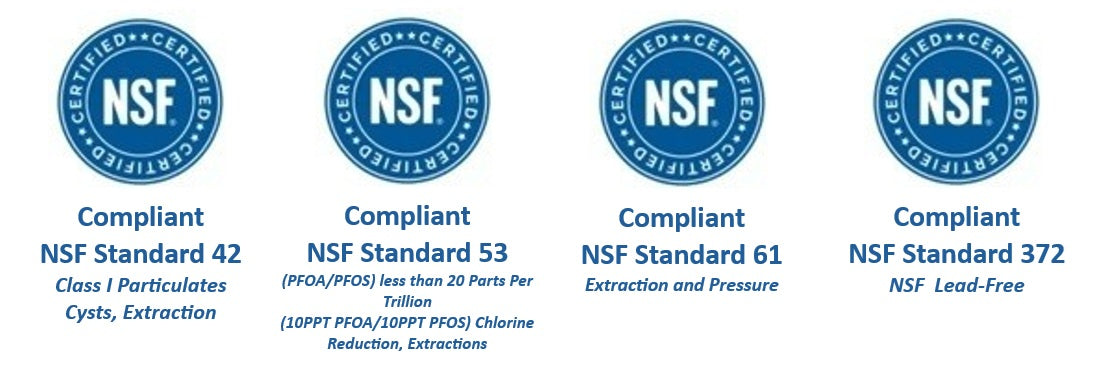
NSF/ANSI 42
Addresses aesthetic effects such as chlorine taste and odor, chloramine, particulates and other product-specific non-health claims. It also evaluates material safety and structural integrity.
Independent research, third-party testing and product documentation in one place.
General Science
Hydrogen-rich water research examines dissolved molecular hydrogen (H2), antioxidant activity, oxidative stress and possible effects on health. Product output may also be described by its negative oxidation-reduction potential (ORP). These research papers are provided for education and do not replace medical advice.
CleanWaterCleanAir Science
Products are tested and documented individually. A standard does not mean that every product reduces every contaminant; applicable claims depend on the product and its testing.
Addresses aesthetic effects such as chlorine taste and odor, chloramine, particulates and other product-specific non-health claims. It also evaluates material safety and structural integrity.
Addresses product-specific health-effect reduction claims, which may include lead, mercury, cysts, certain VOCs, PFAS compounds or disinfection byproducts when individually tested.
Evaluates what a drinking-water component may leach into the water. It is a material-safety standard, not a contaminant-removal claim.
Verifies that wetted product components meet the weighted-average lead-content requirement. It does not test a filter's lead-removal performance.
Vollara Science - Water
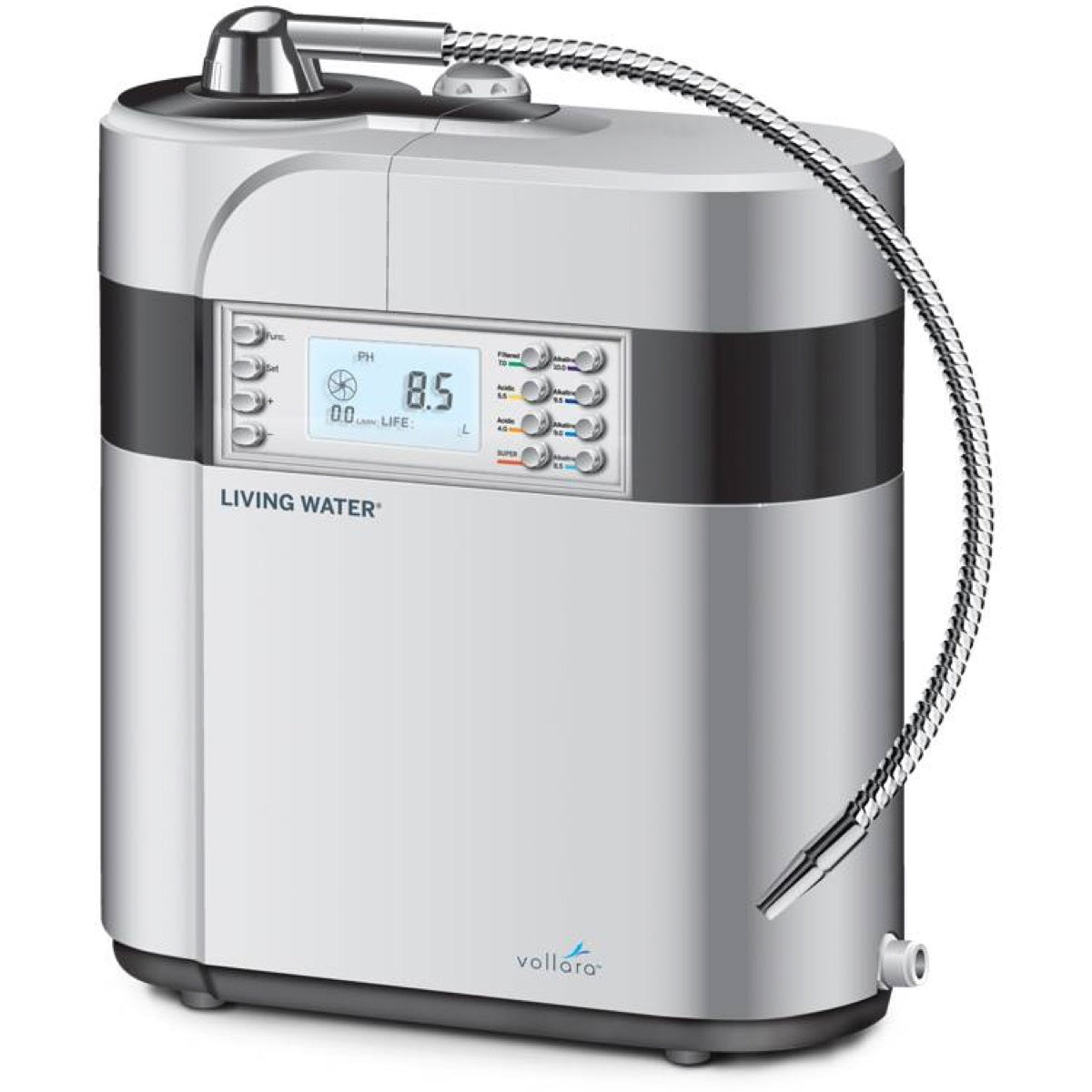
LivingWater documentation covers dissolved hydrogen, pH selection and household uses. Hydrogen-rich water is described by dissolved H2 and measurable ORP; results depend on source water and operating conditions.
Vollara Science - Air
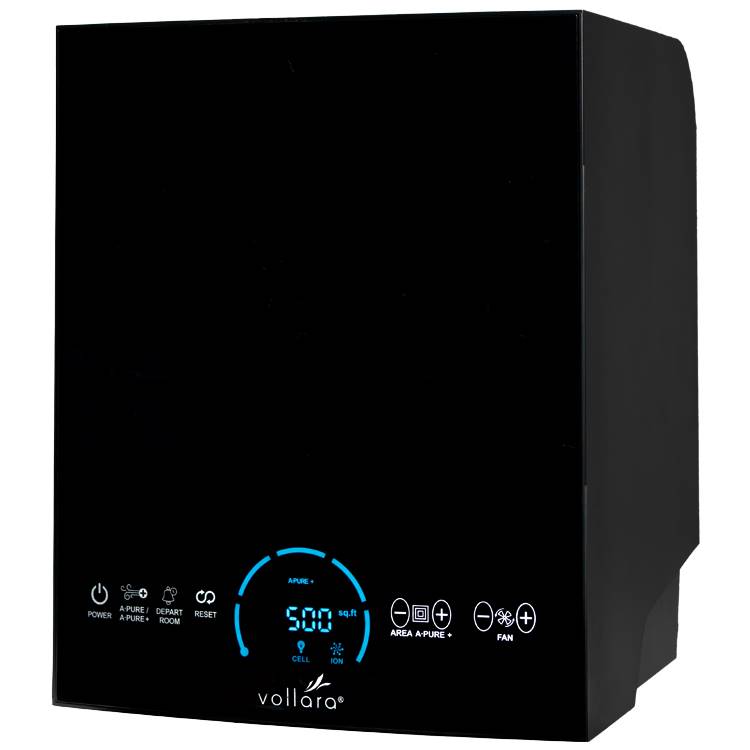
Review peer-reviewed research, third-party test results and indoor-air guidance. ActivePure is complementary technology and does not replace public-health guidance.